When you’re starting a small business, there’s this weird pressure to make everything look established immediately.
You want beautiful product photos, custom packaging, a professionally designed website, expensive branding, and basically the entire aesthetic of a company that has a full creative team behind it.
Meanwhile, you’re sitting at your kitchen table doing everything yourself.
I’ve been there.
And while I absolutely believe in investing in your business when it makes sense, I also don’t think you need to spend thousands of dollars to make your brand look beautiful.
A lot of what makes a business feel expensive actually comes down to consistency, presentation, and knowing when to stop adding things.
Here are a few things I’ve learned while trying to make my own brands and products look more elevated without completely draining my bank account.
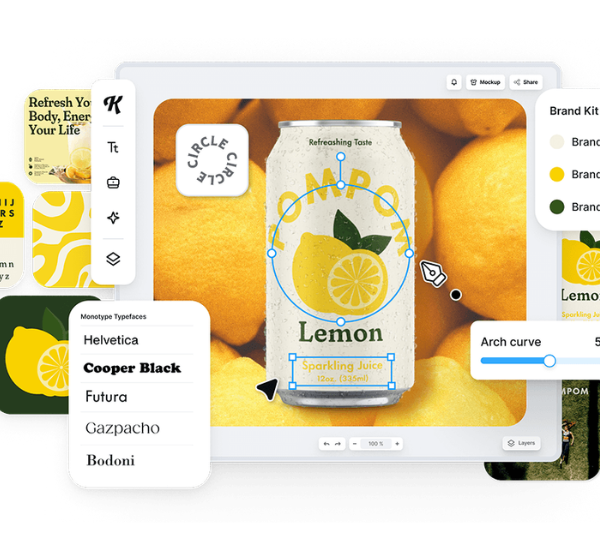
Choose a Simple Color Palette
You do not need twelve brand colors.
I say this as someone who loves creating color palettes and can easily convince myself that I need six slightly different shades of cream.
A simple color palette instantly makes your brand feel more intentional.
Choose two or three main colors and a few supporting neutrals.
The colors don’t necessarily need to be boring. You can use burgundy, Mediterranean blue, butter yellow, or emerald green. The important part is using them consistently.
When someone sees your website, social media, packaging, and graphics, everything should feel like it belongs to the same world.
That consistency is what makes a brand look established.
Be Careful With Fonts
Fonts can completely change the feeling of a brand.
They can also make a business look chaotic very quickly.
My general rule is to choose one font with personality and one font that’s easy to read.
That’s it.
You don’t need a different font for every Instagram post.
If you’re using a script font, use it sparingly. A beautiful cursive font can feel elegant, but an entire paragraph written in cursive usually becomes difficult to read.
Sometimes, the most expensive-looking design is actually the simplest one.
Your Product Photos Matter More Than You Think
People can’t physically touch your product when they’re shopping online.
Your photos are doing almost all of the work.
This doesn’t mean you need to hire a professional photographer immediately.
Natural lighting can make such a huge difference. Take photos near a large window. Avoid harsh overhead lighting. Clean your camera lens before taking photos, which sounds obvious, but genuinely makes a difference.
Think about the environment around your product too.
If you’re selling a beach towel, show it in a setting that makes someone imagine using it on vacation.
If you’re promoting a sofa, create content around the type of home and lifestyle your ideal customer dreams about.
You’re not just showing the product.
You’re showing someone where the product fits into their life.
Stop Trying to Fill Every Empty Space
This is something I’ve had to learn with design.
Empty space is not always a problem.
When you’re creating a graphic, website, or product listing, it’s easy to feel like you need to add more.
Another icon.
Another sentence.
Maybe a cute little star in the corner.
Sometimes, you need to delete half of it.
Luxury branding often feels calm because the design has room to breathe.
Try removing something before adding something new.
You might be surprised by how much more polished the design looks.
Create a Consistent Visual World
One of my favorite things about branding is creating a world around a product.
Think about the brands you love.
You probably associate them with a certain feeling.
Maybe it’s coastal summers, quiet mornings, cool city apartments, or romantic European vacations.
That feeling is intentional.
You can do the same thing with a small business.
Create a Pinterest board specifically for your brand. Save interiors, outfits, colors, destinations, packaging, and photography that remind you of the feeling you’re trying to create.
Before creating new content, look at that board.
Ask yourself, “Does this belong in the same world?”
It doesn’t have to match perfectly. It just needs to feel connected.
Write Like a Real Person
A beautiful brand can instantly lose me when the copy sounds robotic.
You don’t need to use complicated words to sound professional.
In fact, sometimes it does the opposite.
Think about how you would explain your product to someone who was genuinely interested in it.
What would you tell them?
Why did you create it?
What problem does it solve?
What makes it special?
Use those answers in your product descriptions and marketing.
People want to feel like there’s a real person behind a small business.
That’s one advantage you have over huge corporations.
Use it.
Pay Attention to the Small Details
An expensive-looking brand isn’t always about expensive materials.
Sometimes, it’s the small details.
Using the same photo style across your website.
Making sure your product descriptions follow a similar format.
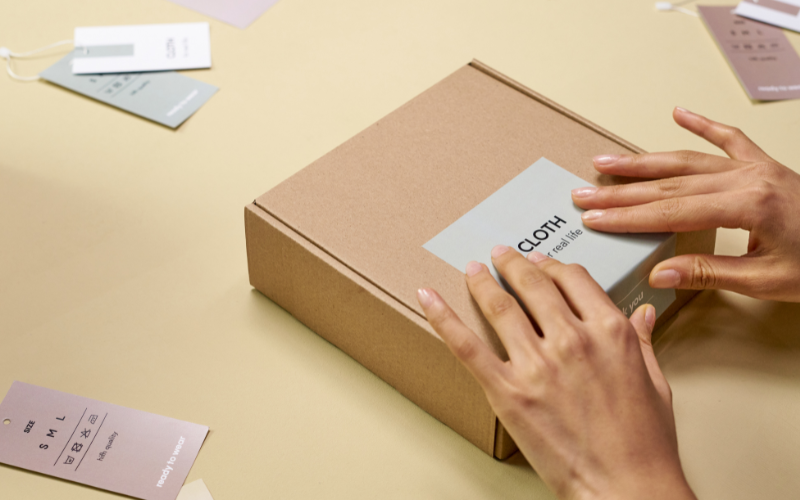
Choosing packaging that matches your brand colors.
Removing blurry images.
Checking your spelling.
Making sure your logo isn’t stretched or pixelated.
None of these things are particularly exciting, but together they change how someone experiences your business.
Don’t Copy Luxury Brands—Study Them
There’s a difference.
You don’t need to recreate another company’s logo or copy their exact aesthetic.
Instead, pay attention to why their branding feels elevated.
Look at the spacing on their website.
Look at their photography.
Notice how many colors they use.
Read their product descriptions.
Look at how they introduce new collections.
You’re studying the decisions behind the design.
Then you can apply those principles in a way that fits your own brand.
Your Business Doesn’t Need to Look Huge
I think this is one of the biggest things I’ve realized.
Your goal shouldn’t be to trick people into thinking you’re a massive company.
Being a small business is not something you need to hide.
You can create a beautiful, elevated brand while still being honest about the fact that there’s a real person behind it.
Actually, that’s often what makes people want to support you.
Make your brand intentional.
Make it consistent.
Pay attention to the feeling you’re creating.
You don’t need the most expensive packaging or a $10,000 website.
You need a clear vision and the patience to keep refining it.
And if you’re currently designing your logo in Canva, answering customer messages from your phone, and trying to figure everything out as you go?
You’re doing better than you think!